Relish Tray vs. Veggie Platter: Unpacking Their Unique Charms
When planning an appetizer spread or a refreshing accompaniment to a meal, two popular contenders often come to mind: the relish tray and the veggie platter. While both offer a vibrant array of vegetables, their core identity, preparation, and flavor profiles set them distinctly apart. Understanding these differences is key to choosing the perfect option for your next gathering and truly appreciating what makes **the best relish tray** a unique culinary delight.
The Timeless Charm of the Relish Tray: A Deep Dive into Briny & Bright Flavors
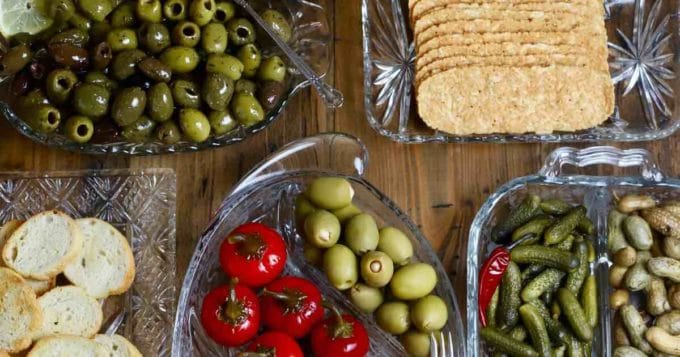
Imagine a glistening assortment of briny olives, tangy pickles, and marinated vegetables – that's the heart of a classic relish tray. Far from being a mere collection of fresh-cut produce, a relish tray is a carefully curated symphony of preserved and prepared ingredients, offering a sophisticated counterpoint to richer dishes or serving as a standalone, light appetizer.
Traditionally, relish trays were a staple at holiday feasts and family gatherings, often gracing tables on elegant cut-glass dishes with distinct partitions. Growing up, many recall the relish tray as an inevitable, colorful centerpiece at Thanksgiving, offering irresistible finger foods for all ages. What truly defines this classic is its emphasis on items that have undergone a transformation – through pickling, marinating, or curing – which imbues them with distinctive, complex flavors and textures.
Key Components for the Best Relish Tray
To craft **the best relish tray**, variety is paramount. Think about a spectrum of flavors, colors, and textures.
- Olives Galore: From classic canned black olives to vibrant green pimento-stuffed varieties, or an exotic mix from a specialty olive bar, olives are non-negotiable. Their salty, sometimes buttery or fruity notes are essential.
- Pickled Perfection: This is where the relish tray truly shines.
- Classic Cucumbers: Dill pickles, bread and butter pickles, or even homemade refrigerator pickles.
- Tangy Onions: Pickled red onions add a beautiful color and sharp tang.
- Crunchy Vegetables: Pickled green beans, asparagus, carrots, or cauliflower florets.
- Spicy Peppers: Mild banana peppers or a touch of something hotter for those who dare.
- Marinated Wonders: These additions bring an umami richness.
- Artichoke Hearts: Marinated in oil and herbs, they offer a tender, earthy bite.
- Mushrooms: Marinated button mushrooms are savory and delightful.
- Fresh Accents (Modern Twist): While traditionally focused on preserved items, modern relish trays often incorporate a few fresh elements to bridge the gap and add brightness. Think crisp radish slices, crunchy celery sticks, or even blanched green beans.
- Garnishes: A sprinkle of fresh dill, parsley, or chives elevates the visual appeal and adds an aromatic touch.
Assembling **the best relish tray** is also an art form. Start with a large platter and arrange the items thoughtfully. Crucially, place marinated or pickled items that contain liquid into small bowls or even mini mason jars to prevent the juices from mingling and making other ingredients soggy. The goal is a visually appealing spread that invites guests to explore a range of tastes and textures. It’s an easy, impressive appetizer that often garners rave reviews with minimal last-minute fuss, as many components can be prepared or purchased in advance. For more creative ideas and how to master this art, be sure to check out
The Ultimate Guide to Modern Relish Trays for Any Occasion.
The Fresh Appeal of the Veggie Platter (Crudité): Simplicity & Crunch
In stark contrast to the relish tray, the veggie platter, often referred to by its French name "crudité" (meaning "raw things"), is all about the pristine freshness and natural crunch of raw vegetables. This platter is a celebration of vibrant colors and crisp textures, typically served with one or more creamy dips.
A veggie platter is the go-to choice for a healthy, refreshing, and universally appealing appetizer. It’s perfect for casual gatherings, kids' parties, or as a light option to balance heavier fare. The beauty lies in its simplicity and the ability to showcase the natural flavors of seasonal produce.
Elevating Your Veggie Platter
While seemingly straightforward, a great veggie platter goes beyond just tossing some carrots and celery onto a dish.
- Crisp Core Vegetables:
- Carrots & Celery: Always popular, cut into sticks or rounds.
- Cucumbers: Sliced into rounds or spears.
- Bell Peppers: Colorful strips of red, yellow, orange, and green peppers.
- Broccoli & Cauliflower: Bite-sized florets.
- Cherry Tomatoes: Whole or halved.
- Unique Additions: Consider radishes, sugar snap peas, blanched asparagus, jicama sticks, or even endive spears for a touch of elegance.
- The Dip is Key: A fantastic dip can transform a simple veggie platter. Popular choices include ranch, hummus, spinach dip, blue cheese dip, or a vibrant pesto dip. Offering a couple of different options caters to various palates. Homemade dips often taste significantly better and allow for customization.
- Presentation Matters: Arrange vegetables artfully around your dip bowls. Consider height, color contrast, and different cutting styles to make the platter visually enticing. A sprinkle of fresh herbs on the dip or around the veggies adds a professional touch.
The appeal of a veggie platter lies in its accessibility and the straightforward, clean flavors it offers. It’s a guaranteed crowd-pleaser that provides a healthy snack option for any event.
Relish Tray vs. Veggie Platter: Unpacking the Distinct Differences
While both platters feature vegetables, their fundamental differences make them suitable for distinct occasions and culinary preferences.
| Feature |
Relish Tray |
Veggie Platter (Crudité) |
| Primary Composition |
Mainly marinated and pickled vegetables, olives. |
Primarily fresh, raw, cut-up vegetables. |
| Flavor Profile |
Complex, tangy, briny, savory, sometimes spicy or sweet. |
Clean, crisp, mild, earthy, refreshing. Flavors are natural. |
| Texture |
Varied – tender (artichokes), firm (pickles), chewy (olives). |
Predominantly crunchy, crisp, snappy. |
| Preparation Time |
Often involves store-bought preserved items; some assembly. Can be made ahead. |
Requires washing and cutting fresh vegetables; best assembled closer to serving. |
| Accompaniments |
Typically served as-is, sometimes with mini forks for olives/small items. |
Almost always served with one or more creamy or flavorful dips. |
| Occasion Suitability |
More sophisticated, traditional, often for holidays, dinner parties, brunches. |
Casual, everyday gatherings, picnics, kids' parties, healthy snack option. |
| Shelf Life (Assembled) |
Generally longer due to preserved ingredients (can refrigerate for a day or two). |
Shorter; fresh veggies can wilt or dry out after a few hours. |
The most significant distinction lies in the transformative power of preservation for the relish tray. Pickling and marinating introduce acetic acid, spices, and oils, fundamentally altering the vegetable's texture and infusing it with layers of flavor that a raw vegetable simply doesn't possess. This makes the relish tray a more adventurous and palate-stimulating choice, often providing a zesty contrast to heavier main courses. A well-executed relish tray truly elevates an appetizer spread, offering a journey of tastes that keeps guests coming back for more.
For those looking to explore how these classic traditions are being reinvented, dive into
Relish Tray Revival: Classic & Creative Ideas for Your Holidays.
Crafting Your Signature Platter: Tips for Success
Whether you opt for the briny allure of a relish tray or the fresh crunch of a veggie platter, a few universal tips can ensure your creation is a hit.
1.
Quality Ingredients are King: For a veggie platter, choose the freshest, most vibrant seasonal produce. For a relish tray, seek out high-quality pickled and marinated items from specialty stores or farmer's markets, or try making your own refrigerator pickles for an extra personal touch.
2.
Visual Appeal: Think about color, shape, and texture. Arrange items thoughtfully, using small bowls to add height and contain liquids. A garnish of fresh herbs always brightens the presentation.
3.
Balance Flavors: For a relish tray, ensure a mix of salty, tangy, savory, and perhaps a hint of sweet or spicy. For a veggie platter, offer a variety of mild and slightly stronger-flavored vegetables, complemented by a versatile dip.
4.
Consider Your Guests: Are there picky eaters? Children? People with dietary restrictions? A fresh veggie platter is often a safer bet for a broad audience, while **the best relish tray** might appeal more to adventurous palates.
5.
Don't Forget the Tools: Small tongs or mini forks are ideal for a relish tray, making it easier for guests to serve themselves. Spreading knives for dips are a must for a veggie platter.
6.
Make-Ahead Magic: Many elements of a relish tray can be prepared days in advance. Veggies for a crudité platter can be washed and chopped earlier in the day and stored in airtight containers with a damp paper towel to maintain freshness.
Conclusion
Both the relish tray and the veggie platter hold a cherished place in entertaining, each offering a distinct experience. The veggie platter excels in its refreshing simplicity and universal appeal, celebrating the natural crunch and clean flavors of raw produce, often enhanced by creamy dips. The relish tray, however, offers a deeper, more complex culinary journey. With its curated selection of tangy, briny, and marinated vegetables and olives, it provides a sophisticated counterpoint that excites the palate and leaves a lasting impression. When executed with care and a diverse selection of quality ingredients, there's no doubt that **the best relish tray** stands out as a unique, flavor-packed appetizer, proving that sometimes, the most memorable dishes are those that have been thoughtfully transformed. Understanding what makes each platter unique allows you to choose the perfect fit, ensuring your next gathering is both delicious and unforgettable.